Student groups and institutes
Ten days to learn, away from the noise
An intensive seminar needs what a city cannot give: duration, silence, and a group that lives together. The day follows one simple principle — study from fajr until 'asr, then everyone leaves for the Haram to spend the late afternoon and evening there. Students learn without ever drifting from what brought them here.
Discuss your seminar projectThe rhythm of a typical day
Fajr
Prayer, then first session
The group prays together and starts straight away. This is when minds retain best, and institutes often place their most demanding material here.
Morning
Study sessions
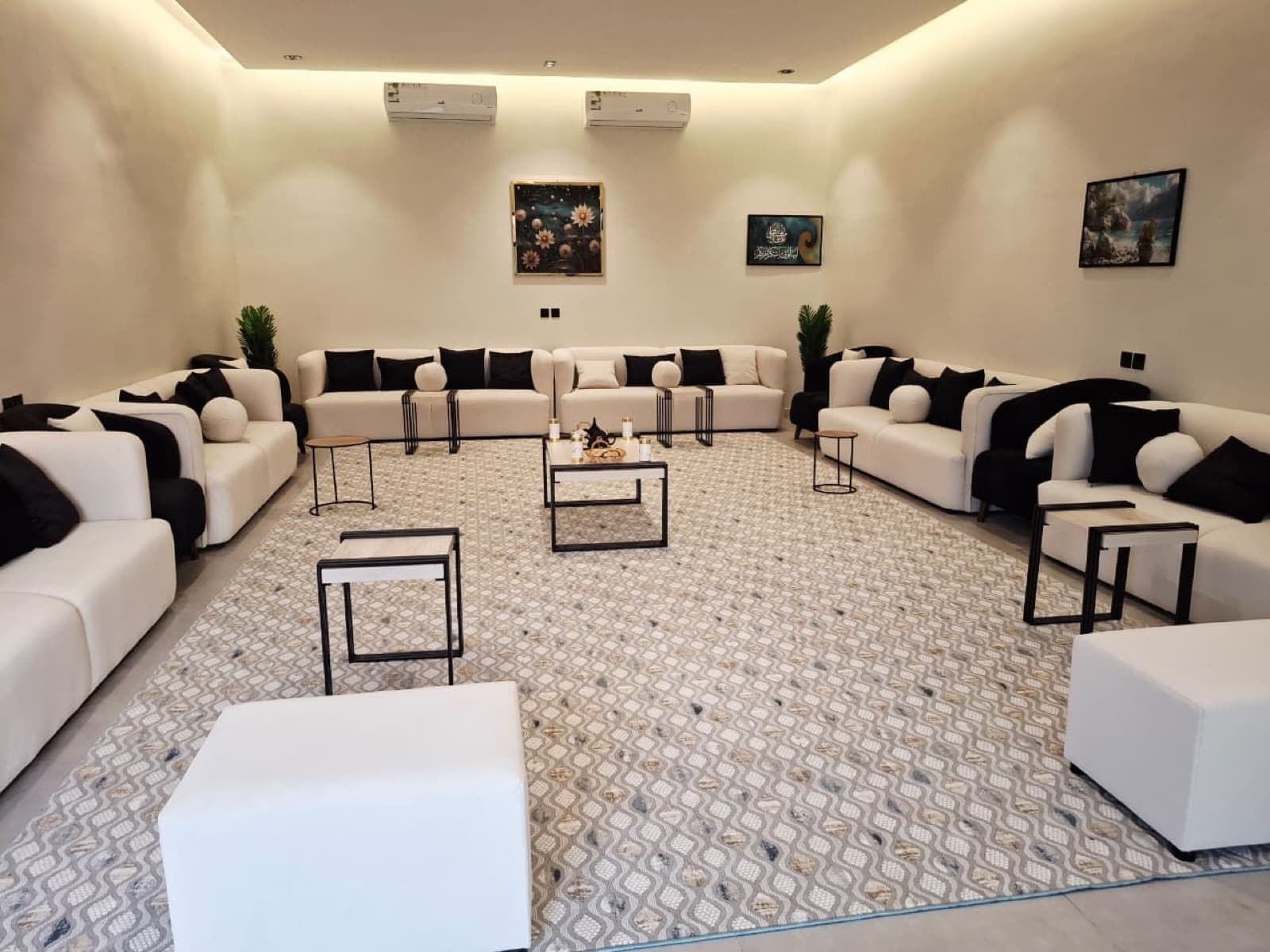
The main hall becomes a classroom: sound system, board, seating in a circle or in rows depending on the teacher's method.
Dhuhr
Prayer and lunch
A meal prepared on site and taken together.
Until 'asr
Rest or pool
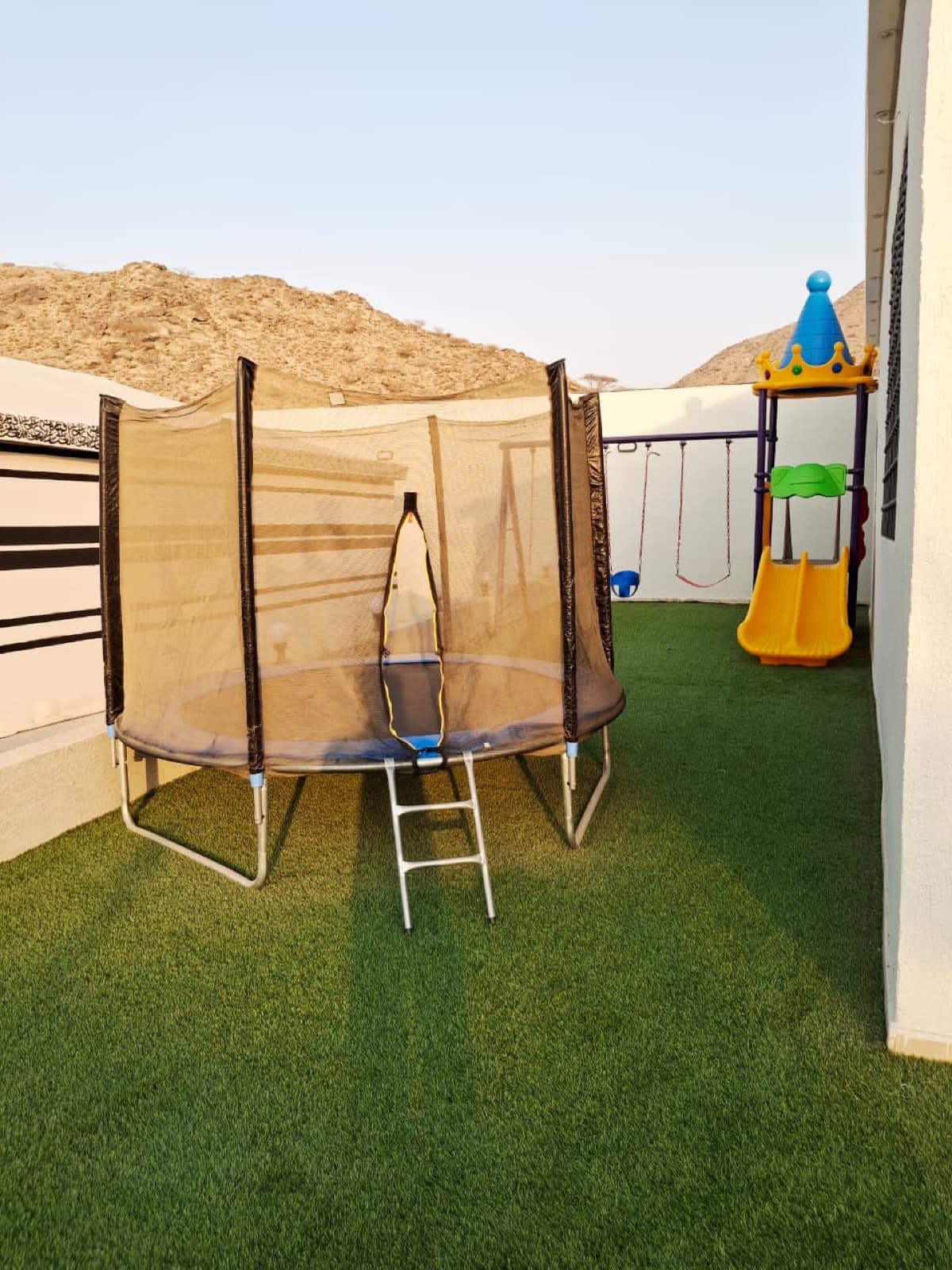
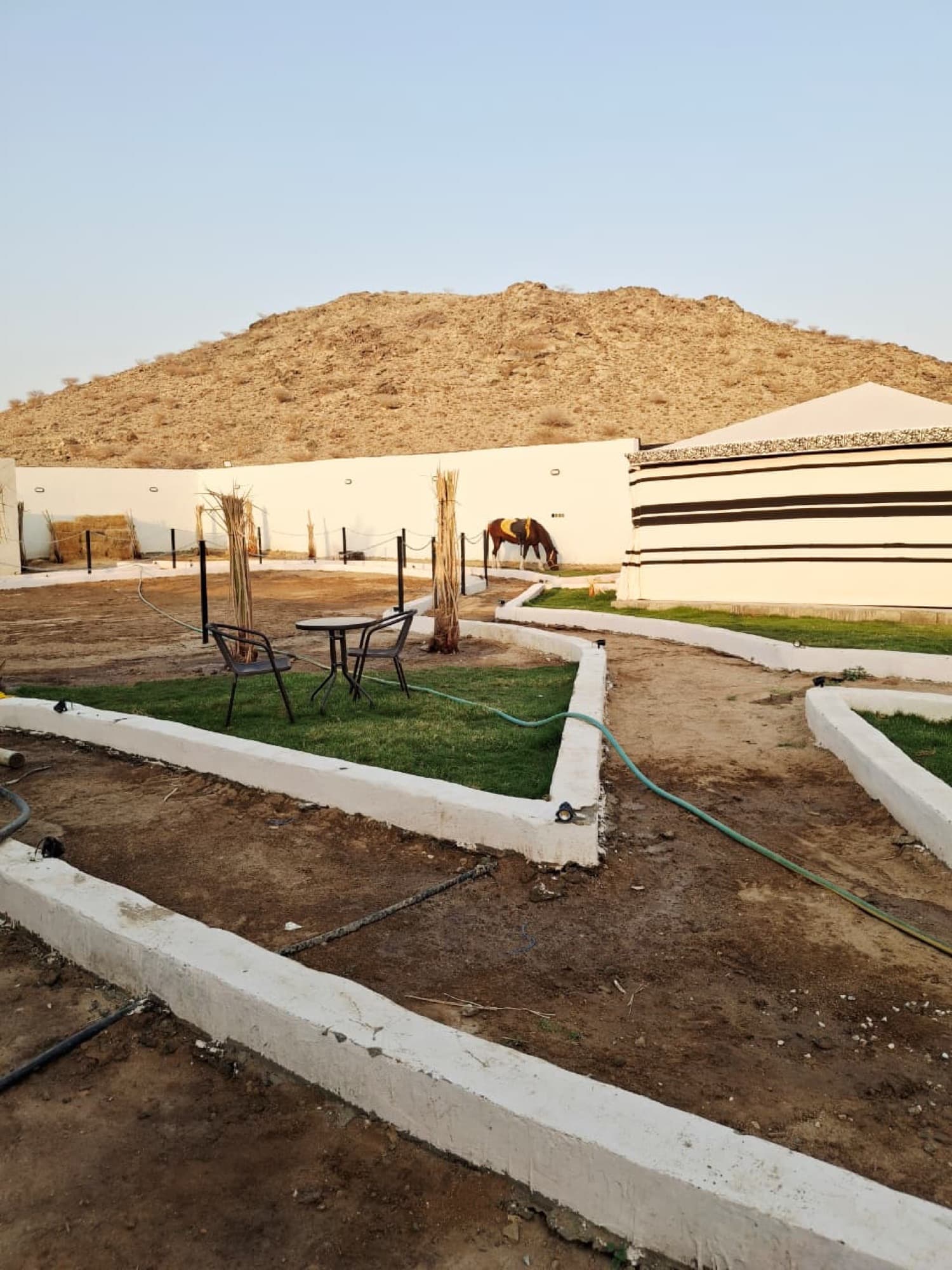
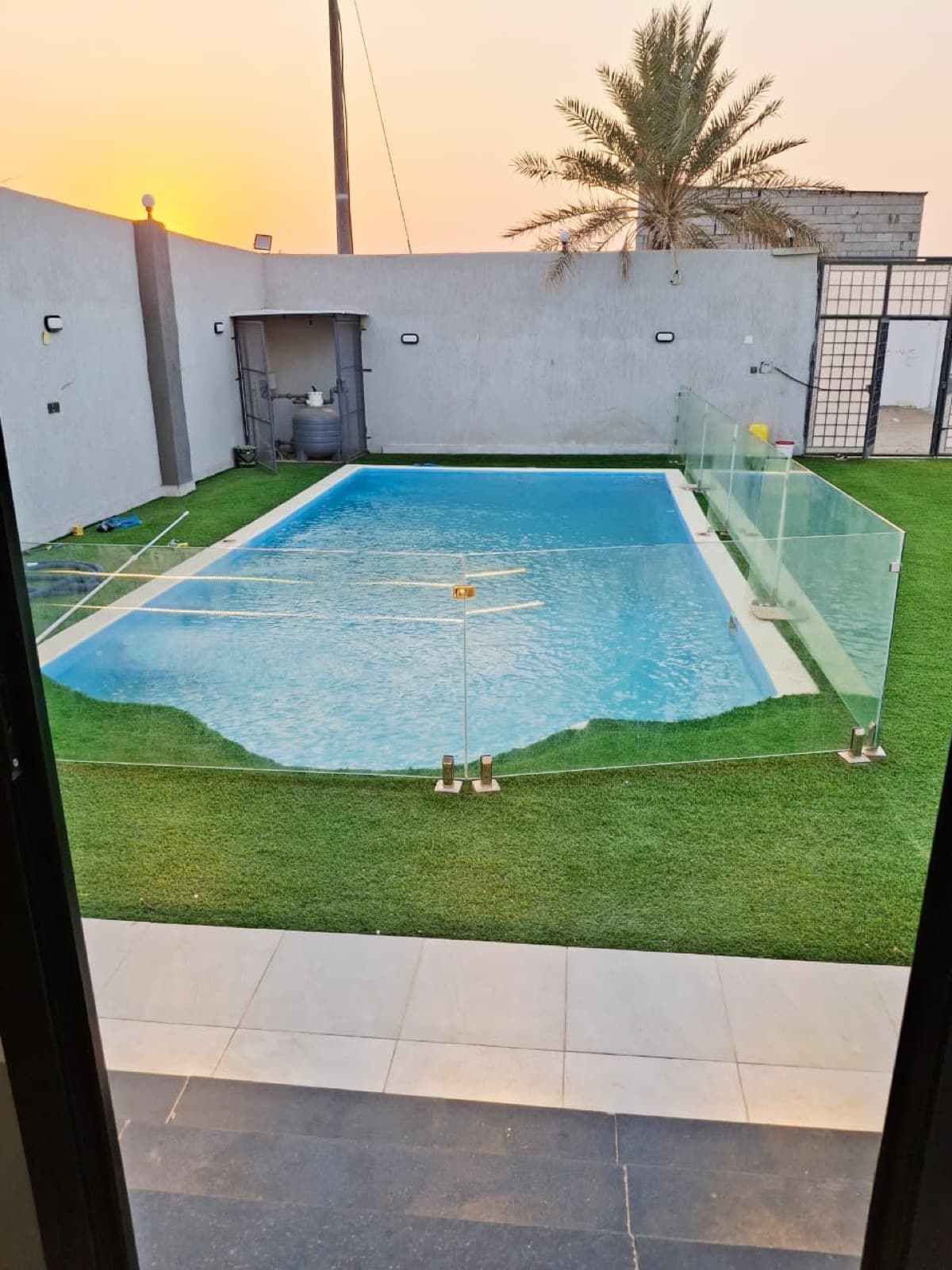
The afternoon pause, when the heat peaks. A nap for some, the pool or the garden for others — this is what makes ten days sustainable.
After al-'asr
Departure for the Haram
The shuttle takes the group to Makkah. The late afternoon and the evening are spent there: tawaf, maghrib and 'isha at the Haram. The seminar never takes precedence over the holy sites.
After al-'isha
Return and night gathering
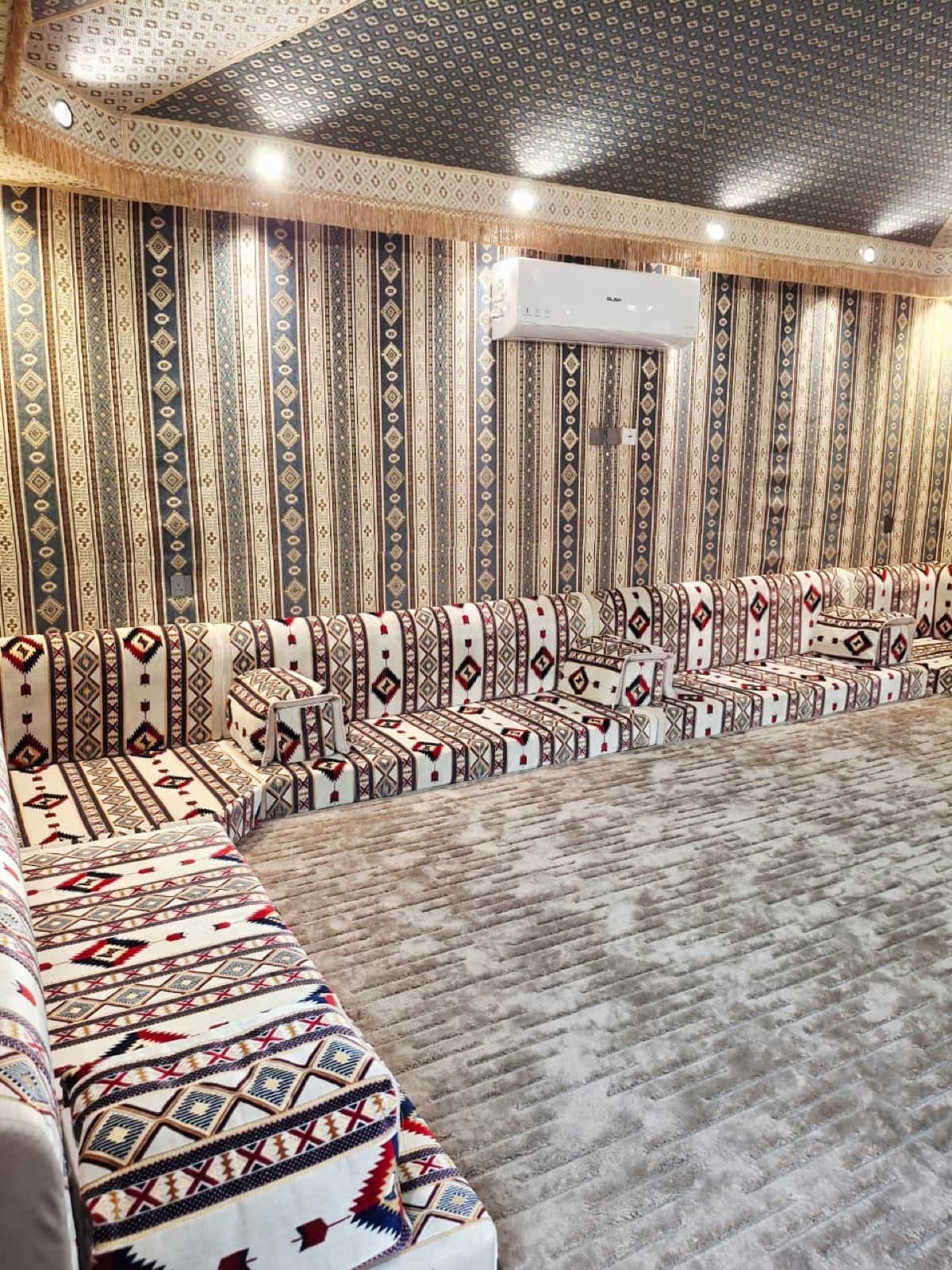
The group comes back for dinner, then the gathering around the fire or under the tent. This is often where the bonds that give a seminar its value are formed.
What we provide
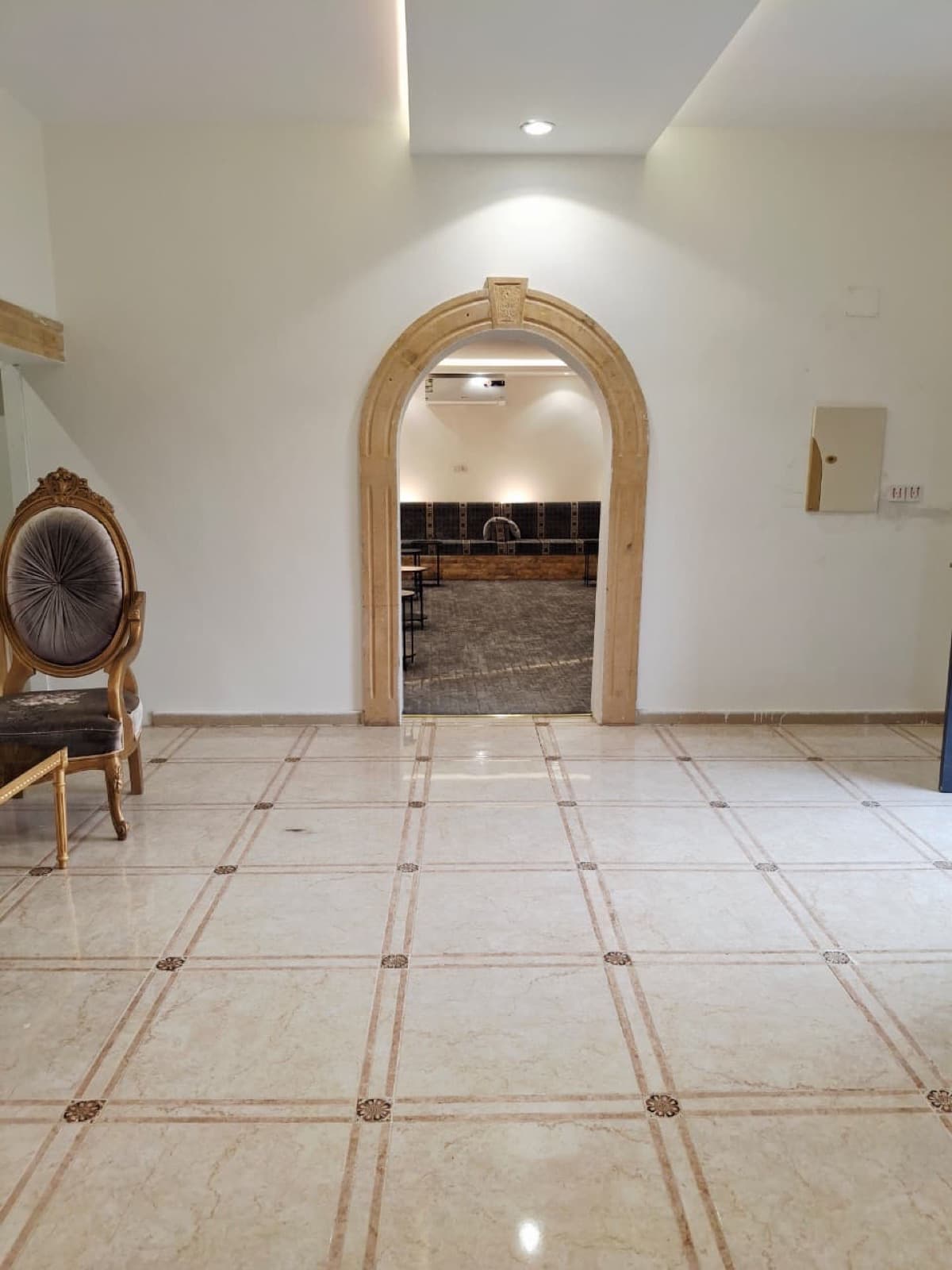
- Equipped teaching room
- Accommodation for the group on site
- Three meals a day
- Small-group study spaces
- Access to activities between sessions
- Oriented prayer space
- Separate wings according to the group
- Wifi and backup power
Practical details
- Usual duration
- 5 to 15 days
- Study
- fajr to 'asr
- Haram
- daily, after al-'asr
- Recommended size
- 15 to 40 students
- Rate
- on request, by duration and size
- Board
- full board, prepared on site
- Distance from the Haram
- 30-minute drive
- Booking
- several weeks in advance
Why seclusion serves study
A seminar held in the city dilutes: students go home in the evening, scatter, and the thread breaks from one day to the next. Here the group stays together through the morning, studies without interruption until 'asr, then leaves for the Haram as one. Nothing around distracts from the study hours, and nothing in the programme deprives students of their prayers on site. Institutes who come back tell us the difference lies less in the teaching hours than in what happens between them.
Organisers' questions
How many students can you host?
The most comfortable format is between fifteen and forty students. Beyond that the accommodation becomes tight; we would rather tell you plainly than host you in poor conditions.
Who prepares the meals?
A cook works on site for the whole seminar. Menus are agreed in advance, and the traditional Bedouin dinner can be scheduled once or twice during the stay.
How do students get to the Haram?
It is built into the programme: the shuttle leaves every day after al-'asr and the group spends the late afternoon and evening there, until after 'isha. Extra journeys can be added for Friday prayer or a collective Umrah.
Is the villa suitable for a mixed group?
Yes, thanks to the two independent wings. We arrange the layout with you before arrival, including pool slots and teaching spaces.
Our packages